Escape the Racket: Finding Genuine Quiet at the Beach When Everything's Getting Louder
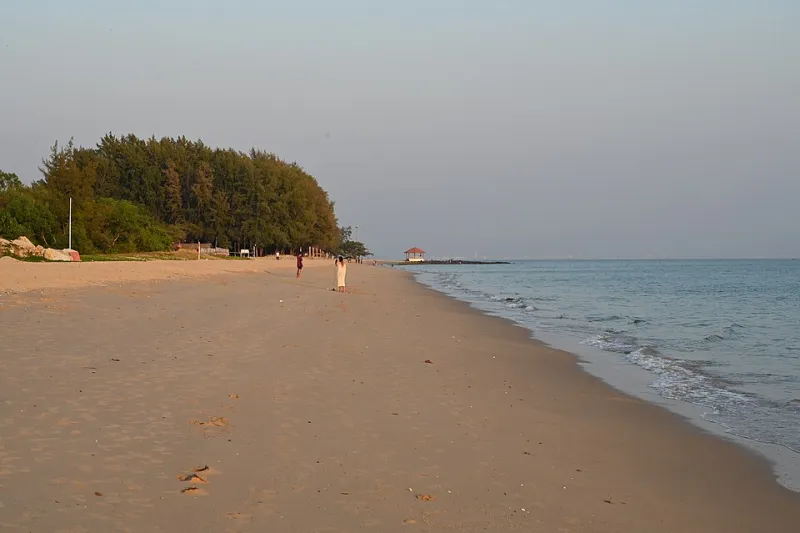
Photo: PattayaPatrol, CC BY-SA 4.0, via Wikimedia Commons
There's a version of the beach vacation that lives in everyone's head: the sound of waves, maybe the cry of a gull, the occasional distant laugh from someone further down the shore. What you get in a lot of popular coastal destinations these days is something closer to a construction site soundtrack with a ocean backdrop.
Noise at the beach isn't a new problem, but it's gotten measurably worse in a lot of places over the past decade. The combination of tourism booms, short-term rental growth, expanded nightlife, increased boat traffic, and the rise of aerial sightseeing tours has changed the acoustic environment of many beloved coastal spots. Some communities are pushing back hard. Others are struggling to balance economic interests with quality of life — for residents and visitors alike. And for travelers who came specifically to decompress, it can feel like the thing they drove six hours for has been relocated somewhere they can't find.
Where All This Noise Is Actually Coming From
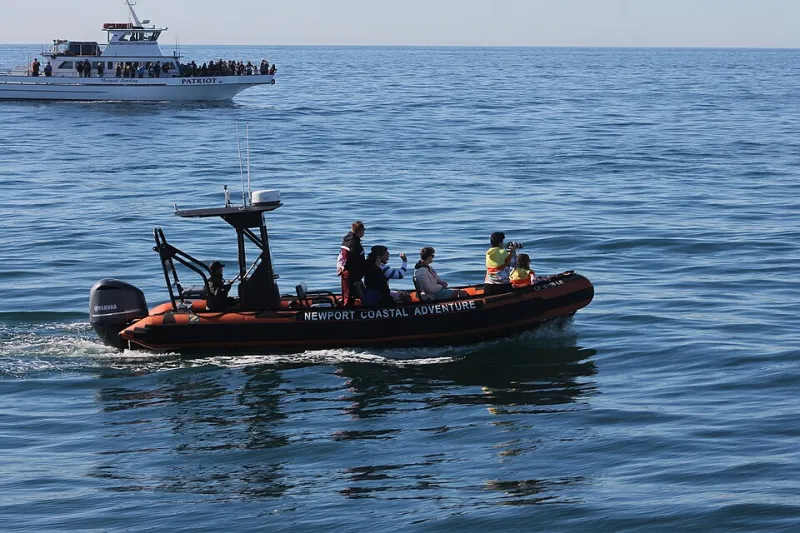
Boat traffic is one of the biggest contributors and one of the hardest to regulate. Personal watercraft — jet skis, in common usage — are notoriously loud and have been the subject of noise complaints in beach communities from the Jersey Shore to the Florida Keys for years. In busy boating corridors like Destin Harbor in Florida or the Intracoastal Waterway near Myrtle Beach, the cumulative sound of engines can carry well inland and make beachside relaxation feel more like sitting next to a freeway.
Helicopter tours are a growing flashpoint in several popular destinations. In places like Kauai, the Grand Canyon area, and certain Florida coastal zones, residents and park visitors have successfully lobbied for flight path restrictions and quiet technology requirements. But in many beach towns, low-altitude sightseeing flights still pass over at regular intervals during peak season with no meaningful restrictions.
Nightlife is the other big one. The explosion of beachfront bars, outdoor concert venues, and late-night entertainment districts in towns like Gulf Shores, Alabama, Myrtle Beach, South Carolina, and Panama City Beach, Florida, has created situations where sound ordinances either don't exist, aren't enforced, or have been written in ways that exempt commercial establishments from meaningful limits. Travelers who book oceanfront accommodations without researching the surrounding entertainment landscape sometimes end up with a front-row seat to a DJ set that runs until 2 a.m.
And then there's construction. The same coastal real estate boom that's driven up property values has also put heavy equipment on the beach in many towns. New hotel builds, condo towers, and infrastructure upgrades often run through tourist season because that's when the money is, creating a particularly grim irony for vacationers.
What Some Communities Are Doing About It
A growing number of coastal towns have started taking noise seriously as a quality-of-life and tourism quality issue — and some of the approaches are genuinely interesting.
Carmel-by-the-Sea in California has long maintained some of the strictest noise ordinances of any coastal community in the country, and it's become part of the town's identity. The absence of chain restaurants, neon signs, and late-night noise is a feature, not an accident. Property owners and businesses know the rules and the enforcement is real.
In North Carolina's Outer Banks, several municipalities have enacted stricter short-term rental noise rules after complaints from year-round residents about vacation house parties. Dare County now has explicit decibel limits that apply to rental properties, with fines that escalate quickly for repeat violations.
Sanibel Island in Florida has historically limited the type and scale of commercial development in ways that keep the acoustic environment much calmer than the mainland Gulf Coast. The island's causeway access, limited nightlife, and conservation-focused land use mean it simply doesn't attract the crowds or the noise infrastructure that towns like Fort Myers Beach do. (The island is still recovering from Hurricane Ian, but its character remains intact.)
Some coastal state parks have implemented quiet hours and restricted motorized watercraft in nearshore areas, creating acoustic refuges within otherwise busy regions. The Cape Hatteras National Seashore in North Carolina and Point Reyes National Seashore in California are examples where the absence of commercial development keeps the soundscape closer to what nature intended.
The Quiet Coastlines That Still Exist
For travelers willing to do a little homework and maybe drive past the first few exits on the highway, genuinely quiet beach experiences are still findable in the US.
The North Shore of Lake Superior (technically freshwater, but the coastal experience is real) offers some of the most acoustically pristine shoreline in the country. Small towns, no boat traffic to speak of, and a culture that leans toward outdoor recreation rather than nightlife.
The Virginia Coast Reserve — a string of barrier islands on Virginia's Eastern Shore — is largely undeveloped and accessible mainly by boat. The Nature Conservancy manages much of it. You won't find jet ski rentals or beach bars. You will find birds, wind, and the kind of quiet that feels a little disorienting at first.
Assateague Island National Seashore on the Maryland/Virginia border keeps development off the island entirely. Camping and day use only. Wild ponies included at no extra charge.
The Upper Peninsula of Michigan's Lake Superior coast — places like Pictured Rocks National Lakeshore and the beaches around Munising — offer dramatic coastal scenery with very little noise pollution of any kind.
The Kalaloch area of Olympic National Park in Washington state is one of the most remote and quiet stretches of Pacific coast accessible by car in the lower 48. A small lodge, a campground, and miles of wild beach.
Practical Strategies for Quieter Beach Trips
If you're not ready to go fully off-grid, there are real ways to improve the noise situation within more popular destinations.
Book accommodations away from the main entertainment strip, even if it means a slightly longer walk to the water. Read recent reviews specifically for noise mentions — guests are usually pretty candid about this in the comments.
Go in the off-season. Not just for the prices (though those help), but because the jet ski rental outfits close, the outdoor bars scale back or shut down, and construction crews tend to pause. A beach town in late October or early November can feel like a completely different place than it does in July.
Ask locally about quieter stretches. In almost every popular beach destination, there are sections of shoreline that see a fraction of the foot traffic — usually a mile or two in either direction from the main access points. A five-minute conversation with a local coffee shop owner or a lifeguard can save you an afternoon of fighting for space and quiet.
Consider timing your beach time for early morning. Before 8 a.m. on most US beaches, even busy ones, the soundscape is dramatically different. The boats aren't out yet, the crowds haven't arrived, and you get the beach closest to the version you came for.
The noisy beach isn't inevitable. It's a planning problem — and it's one that's very much solvable.