Salt Air and Second Chances: How to Hunt Vintage Treasure in America's Coastal Towns
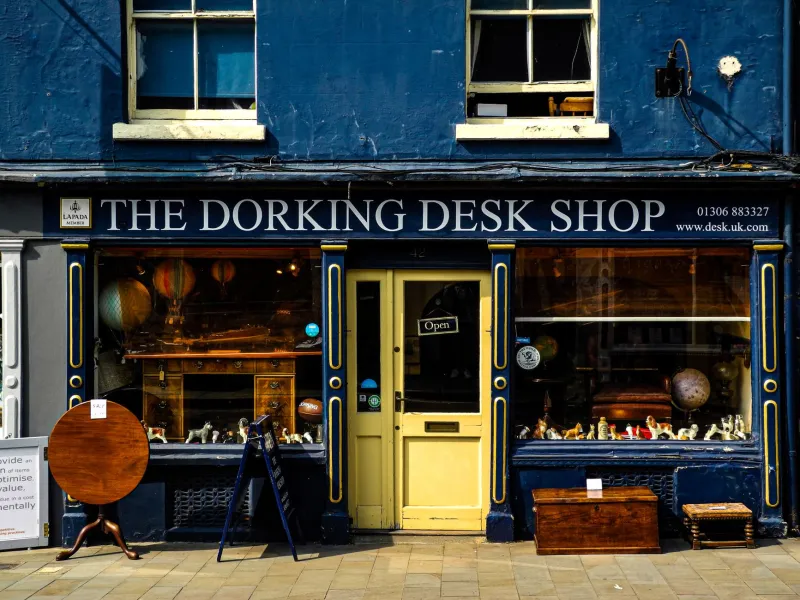
There's a particular kind of magic that happens when you walk into a thrift store in a beach town. The light comes in sideways through salt-hazed windows. Someone's grandfather's fishing rods lean against a wall next to a rack of faded Hawaiian shirts. A hand-painted wooden lobster hangs from the ceiling like it's always lived there. You weren't planning to spend two hours in here, but here you are.
Coastal vintage hunting has been quietly building a devoted following among travelers who want something more from a beach weekend than sunscreen and seafood. The draw makes sense when you think about it — seaside communities have centuries of maritime history layered into their attics, their estate sales, and their storefronts. Old lighthouse equipment, ship navigation tools, mid-century resort wear, hand-knotted nets turned into wall art. The stuff that washes through coastal antique shops is genuinely different from what you'd find inland.
"People come in looking for a souvenir and leave with a piece of history," says Linda Marsh, who runs Tidal Finds, a cramped and wonderful antique mall in Rockport, Massachusetts. "Coastal towns accumulate things. Fishermen, sailors, summer families who've been coming for generations — when they clear out, it all ends up here."
Why Coastal Vintage Hits Different
Part of what makes beach-town thrifting so compelling is the sheer specificity of what turns up. You're not wading through generic household castoffs — you're sifting through the material culture of people who actually lived and worked on the water.
Nautical artifacts are the obvious draw: brass compasses, ship's lanterns, hand-drawn nautical charts, vintage life preservers, and old diving helmets that look like they belong in a Jules Verne novel. But the deeper finds are often more personal — a 1960s travel poster for a now-forgotten Florida resort, a hand-painted surfboard from the early days of California surf culture, a set of melamine dinnerware from a mid-century beach motel that closed decades ago.
Retro beach gear is having a serious moment right now, too. Vintage canvas beach chairs, old-school wooden paddleboards, wicker picnic baskets, and those gloriously oversized 1970s sun hats are showing up in coastal shops and getting snapped up fast. If you're hunting for that stuff, get there early.
How to Build a Thrifting Weekend
The best approach is to treat it like any other road trip — with a loose plan and room for detours.
Pick a coastal stretch, not just a town. The real fun comes from driving a coastal route and stopping wherever something catches your eye. The Maine coast from Portland up through Bar Harbor is legendary for antique density. The Outer Banks in North Carolina punch well above their weight. On the West Coast, the stretch of Highway 1 through Central California — think Morro Bay to Carmel — is loaded with shops that blend vintage, art, and coastal kitsch in ways you won't find anywhere else.
Start with the antique malls, then work outward. Multi-dealer antique malls are your most efficient entry point — one building, dozens of vendors, wildly varied inventory. From there, follow up with smaller standalone shops and estate sales listed on local community boards. Apps like VarageSale and Facebook Marketplace can tip you off to weekend estate sales in coastal neighborhoods, which is where the genuinely rare stuff often surfaces before it ever reaches a shop.
Go on a weekday if you can. Weekend crowds in popular beach towns mean competition at the shops, especially during summer. A Tuesday morning in a coastal antique mall in, say, Sag Harbor, New York or Apalachicola, Florida is a completely different — and better — experience than a Saturday afternoon.
Regional Highlights Worth Knowing About
Every coast has its own vintage personality, shaped by local history and the kinds of people who settled there.
New England leans heavily maritime. You'll find genuine ship artifacts, antique lobster traps, old whaling-era engravings, and Federal-period furniture that somehow ended up in a fisherman's cottage. Towns like Newburyport, Massachusetts and Stonington, Connecticut have dense concentrations of quality shops within walking distance of each other.
The Gulf Coast is underrated for vintage hunting, full stop. Places like Apalachicola and Cedar Key in Florida, or Bay St. Louis in Mississippi, have a slower pace and less tourist pressure than the Atlantic coast, which means prices are often better and the inventory hasn't been picked over. Mid-century Florida kitsch — think flamingo prints, pastel barware, and rattan everything — is deeply satisfying to find.
The Pacific Northwest brings a different flavor: fishing industry artifacts, Native coastal art, vintage outdoor gear, and a strong strain of 1960s and 70s counterculture ephemera. Astoria, Oregon is a genuine sleeper hit — a working port town with a surprisingly rich antique scene and almost no tourist crowds compared to what you'd find farther south.
Southern California is where surf culture vintage lives. Old Hobie longboards, vintage wetsuits, 1960s surf competition posters, and beach-town motel memorabilia from the golden age of California car culture. Encinitas and Ventura both have solid vintage shop ecosystems worth a dedicated afternoon.
What to Actually Look For
If you're new to coastal vintage hunting, a few categories are worth prioritizing:
- Nautical instruments: Brass compasses, sextants, and barometers are functional, beautiful, and hold their value. Even decorative reproductions can be worth picking up if the craftsmanship is good.
- Vintage maps and charts: Framed nautical charts from the mid-20th century are having a major moment in coastal home décor. Old travel posters for beach destinations are similarly hot.
- Mid-century beach textiles: Barkcloth curtains with tropical prints, vintage beach towels, and old hotel linens with embroidered resort names are the kinds of things that look incredible in a beach house and are still underpriced relative to their charm.
- Fishing and boating gear: Old wooden tackle boxes, hand-tied lures, vintage life vests, and painted buoys make for great wall décor and conversation pieces.
- Resort wear: 1950s and 60s swimwear, Hawaiian shirts, and cover-ups from the early days of American beach culture are genuinely collectible now.
A Few Practical Notes
Bring cash. A lot of smaller coastal shops are cash-preferred or cash-only, and having bills in hand makes negotiating easier. Don't be shy about asking for a deal on larger pieces — most antique dealers expect it and would rather move inventory than hold it.
Ask the shop owners questions. Seriously. The people running these places are usually deeply knowledgeable about local history, and half the time they'll point you toward another shop down the road or tip you off to an estate sale happening that weekend. Linda Marsh, back in Rockport, put it simply: "We're all in this together. We want you to find good stuff."
Leave room in the car. That's not a joke — it's the most important logistical advice anyone can give you. You will find something you didn't plan to buy. You will want to take it home. Plan accordingly.
The coast has always been a place where things wash in from somewhere else, accumulate, and take on new meaning. The vintage shops tucked into these towns are just another version of that same story — objects with histories, waiting for someone new to carry them forward.