Crack One Open: The Oyster Farm Tours and Pearl Hunts Coastal Travelers Can't Stop Talking About
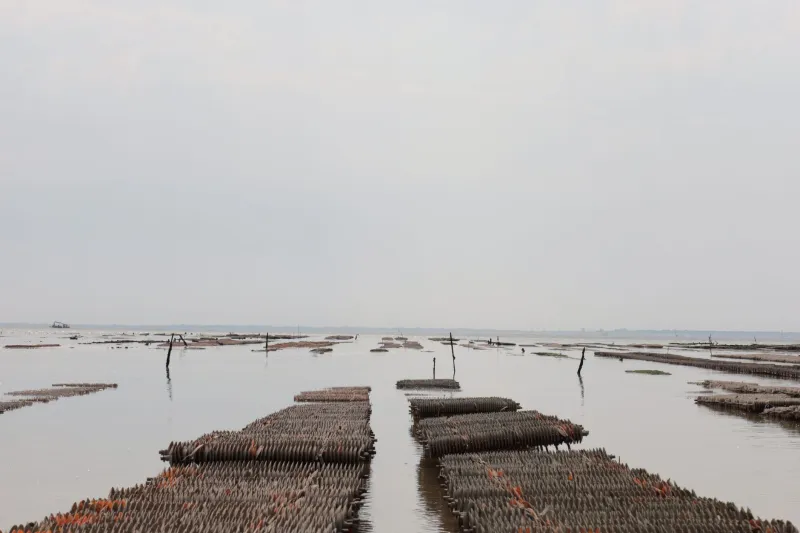
For years, the beachcombing crowd has had a pretty straightforward ritual: walk the tide line, scan the sand, pocket anything interesting. But lately, a different kind of coastal collector is showing up — one who's less interested in what washed ashore and a whole lot more curious about what's living just beneath the surface.
Oyster farm tours and DIY pearl hunts are having a genuine moment right now. And if you haven't heard about them yet, you're probably not far from a stretch of coastline where someone is already doing it.
From Shoreline to Shellfish Farm
The appeal makes a lot of sense when you think about it. There's something deeply satisfying about going beyond passive observation and actually getting your hands into the experience. Tide pooling scratches that itch a little. Surf lessons scratch it too. But cracking open a live oyster and pulling out a pearl you had no idea was in there? That's a different category of memorable entirely.
Working oyster farms along the US coast — particularly in the Gulf of Mexico, the Chesapeake Bay region, the Pacific Northwest, and along the coast of New England — have started opening their doors to curious visitors in a big way. These aren't theme park setups. A lot of them are real, functioning aquaculture operations where you get to tag along with the people who actually grow the shellfish, learn how pearl formation works, and in some cases, shuck your own oysters right there on the water.
Where to Go and What to Expect
Gulf Coast, Louisiana and Texas: The Gulf is probably the most accessible entry point for first-timers. Several operations near areas like Grand Isle, Louisiana, and the bays around Galveston, Texas, offer guided oyster harvest experiences that include a marine biology rundown alongside the hands-on stuff. Some tours let you wade into shallow beds and collect oysters yourself — a tactile, slightly muddy, thoroughly entertaining afternoon. The pearl angle is sometimes part of the pitch here, though wild Gulf pearls are more of a bonus find than a guarantee.
Pacific Northwest — Washington State: Willapa Bay and Hood Canal are basically the holy grail for oyster tourism on the West Coast. Washington State produces more oysters than anywhere else in the country, and a handful of farms in those areas have built out visitor programs that range from self-guided farm walks to full-on guided tours with tastings. The educational component is genuinely strong — you'll leave knowing more about tidal ecosystems than you expected to. Some farms sell directly to visitors, so bringing a cooler is not a bad idea.
New England: Maine, in particular, has leaned hard into the farm-to-table angle, and that extends to the water. Damariscotta River is home to a cluster of oyster farms that have become low-key tourist destinations in their own right. Several offer boat tours that take you out to the actual lease sites, where guides explain the whole growing process from spat to half-shell. It's the kind of thing that sounds niche until you're out there on the water and realize you've been listening for 45 minutes without checking your phone.
Mid-Atlantic — Virginia and Maryland: The Chesapeake Bay's oyster comeback story is one of the more inspiring things happening in coastal conservation right now, and a number of operations there are happy to tell it. Eastern Shore Virginia has a particularly active agritourism scene around shellfish, with farms offering tours that frame the whole experience within the context of bay restoration. It hits differently when the thing you're learning about is also the thing helping clean up the water.
The Pearl Hunt Twist
Separate from the farm tour world, there's a growing niche of pearl hunting experiences that are designed specifically around the treasure-hunt appeal. These are typically run at specialty venues — sometimes attached to aquariums, sometimes at standalone attractions near coastal towns — where you select a live oyster from a tank, open it yourself, and find out what's inside.
The pearls in these setups are real freshwater or saltwater pearls, and the variety of colors, shapes, and sizes you might find keeps the element of surprise intact. It's a format that's caught on particularly well as a group activity — birthday trips, bachelorette weekends, family outings with kids who are old enough to handle the shucking knife with supervision. A lot of venues will set the pearl in jewelry on the spot, which means you leave with something you actually made, more or less.
Shops and experiences of this type have popped up in beach towns from Myrtle Beach, South Carolina, to the Outer Banks of North Carolina, to Destin, Florida. They're not hard to find once you know to look for them.
Why This Trend Is Actually Sticking
It would be easy to write off pearl hunting and oyster farm tourism as a novelty — the kind of thing that sounds fun once and then fades. But the staying power here seems real, and a few things explain it.
First, people genuinely want to understand where food comes from, and shellfish farms offer a pretty direct answer to that question. Second, there's a marine conservation story woven into a lot of these experiences that resonates with travelers who care about the ocean beyond just swimming in it. Oysters filter water. Oyster reef restoration supports fish populations. It's hard to leave one of these tours without feeling like you understand the coast a little better.
And third — honestly — the treasure hunt aspect is just fun. There's a reason people have been drawn to the idea of finding pearls for centuries. Holding one in your palm that you just extracted yourself taps into something that no amount of beachcombing for broken coquina quite matches.
Before You Book
A few practical things worth knowing: farm tours often run seasonally, so check ahead before building your trip around one. Many require advance reservations, especially during summer weekends. Dress for the occasion — water-resistant shoes and clothes you don't mind getting a little briny are the move. And if you're planning to eat what you find, confirm whether the farm offers that option; not all of them do.
For the pearl hunt venue experiences, those tend to run year-round and are usually walk-in friendly, though calling ahead during busy beach seasons is still smart.
Either way, it's a side of the coast that most visitors never see. Which, honestly, makes it even better.