From Sand Dollar to Specimen: A Beachcomber's Field Guide to Collecting Shells Along the US Coast
There's something almost magnetic about a good shell. You're walking the tide line, half-zoned out, and then — there it is. A perfect whelk, a sunrise tellin, a horse conch the size of your forearm. Suddenly you're crouching in wet sand, turning it over in your hands like you just found buried treasure. Because honestly? You kind of did.
Shell collecting has been a beloved beach pastime for generations, and it's having a real moment right now. More people are slowing down at the shore, trading passive sunbathing for something a little more hands-on. If you're ready to look past the surface of the sand, here's everything you need to start — or seriously level up — your coastal collection.
Why Shells End Up Where They Do
Before you can find great shells, it helps to understand why some beaches are loaded with them and others feel picked clean. Shells are the hard remains of mollusks — clams, snails, oysters, scallops, and their relatives — and they wash ashore based on a mix of ocean currents, water temperature, and the shape of the coastline.
Gulf Coast beaches, especially around Sanibel Island in Florida, are legendary precisely because of geography. The island sits at a slight angle to the Gulf, and its shallow offshore waters host an enormous variety of mollusk species. Shells funnel in with the tides and pile up in staggering numbers. It's not magic — it's just physics and biology working together in the best possible way.
On the Pacific side, colder waters and more energetic surf mean fewer live mollusk beds close to shore, but you'll still find beautiful specimens: moon snails, Pismo clams, and the occasional abalone fragment on beaches from Northern California up through Oregon. The Atlantic Coast is somewhere in between, with strong showings from the Carolinas and the Florida Keys.
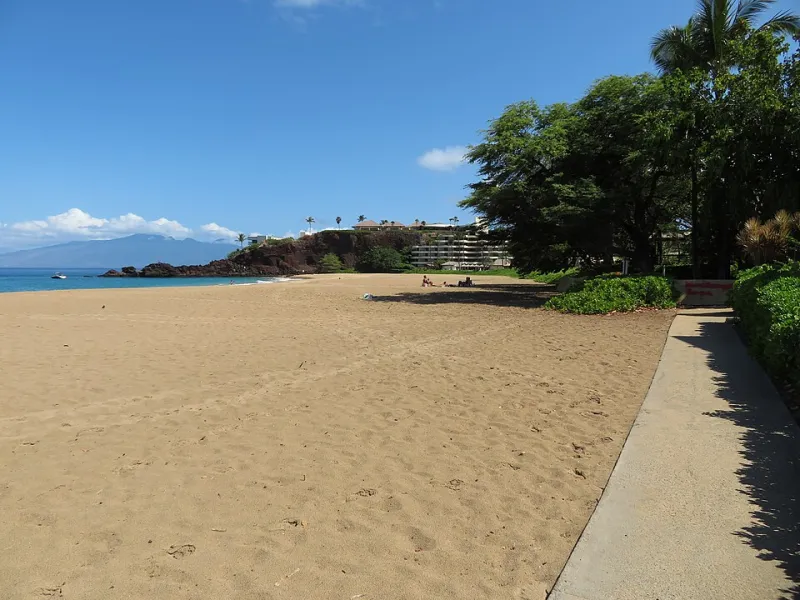
Hawaii is its own category entirely. The shells there tend to be smaller and less abundant on most beaches, but endemic species like the Hawaiian cone snail (handle with caution — some are venomous) make the hunt genuinely exciting for experienced collectors.
Timing Your Hunt: Tides Are Everything
If you show up to the beach at noon on a high tide and wonder why you're not finding anything, now you know. The best shelling happens within an hour or two of low tide, when the water pulls back and exposes flats that are usually submerged. Shells that have been tumbling in the surf get deposited along the tide line, and freshly exposed sandbars can reveal specimens that haven't been picked over yet.
A few other timing tips worth knowing:
- After a storm. Rough weather churns up the seafloor and pushes shells onto the beach in bulk. The morning after a coastal storm is prime beachcombing time — just be smart about conditions.
- Early morning. You beat the crowds, the light is great for spotting color variations, and shorebirds haven't scattered everything yet.
- Winter and shoulder season. Fewer tourists means fewer collectors. Some of the best finds happen on cold, quiet November mornings when most people are nowhere near the beach.
Download a tide chart app (Tides Near Me and Tide Alert are both solid) and plan your beach trips around the low tide window. It genuinely makes a difference.
What You're Actually Looking At: Common Species by Region
You don't need to become a malacologist (that's a mollusk scientist, for the record) to enjoy collecting, but knowing a few common species makes the whole experience richer.
Southeast and Gulf Coast: This is the motherload. Look for lightning whelks, which are Florida's state shell and can grow impressively large. Junonia shells — cream-colored with brown spots — are rare enough that finding one on Sanibel is basically a local rite of passage. Alphabet cones, fighting conchs, and shark eyes (moon snails) are all common and beautiful.
Mid-Atlantic: Knobbed whelks, channeled whelks, and surf clams dominate. Jingle shells — thin, gold-tinted, and slightly translucent — wash up in piles along New Jersey and Delaware beaches and are underrated for their visual appeal.
New England: The pickings are leaner but still worth the effort. Blue mussels, periwinkles, and the occasional quahog clam shell turn up regularly. The real prize up here is a well-preserved whelk egg casing, which looks like a string of papery discs and is genuinely strange and cool.
Pacific Coast: Watch for Lewis's moon snail, giant owl limpets clinging to rocks, and the ridged whelk. In Southern California, bean clams wash up in huge numbers after storms.
Hawaii: Olivella shells, small and smooth, are a favorite. Sunrise shells (Langford's pecten) are the holy grail — rare, expensive, and stunning with their orange and red coloring.
Collecting Ethically: The Rules That Actually Matter
Here's the part that trips people up. Shell collecting is legal on most US beaches, but there are real rules depending on where you are and what you're taking.
The big one: don't take live shells. A shell with an animal still inside it isn't a souvenir — it's an organism. Beyond being ecologically harmful, it's illegal in many states and will make your car smell horrific on the drive home. Look for empty shells only.
In national parks and some state parks, collecting any natural objects — including empty shells — is prohibited. This applies to places like Cape Hatteras National Seashore and Canaveral National Seashore. Always check the rules before you collect in a protected area.
Sanibel Island, despite its reputation as a shelling mecca, limits collectors to two live shells per species per day. Florida also has specific rules around certain species like horse conchs and lion's paws. When in doubt, check with the Florida Fish and Wildlife Conservation Commission.
Cleaning, Displaying, and Actually Using Your Finds
Once you're home with a bag of sandy shells, the real fun begins. Start by rinsing everything in fresh water to remove sand and debris. For tougher buildup, soak shells in a diluted bleach solution (about one part bleach to three parts water) for a few hours, then rinse thoroughly and let them dry completely in the sun.
A light coat of mineral oil or baby oil will bring out the natural color and luster without making shells look fake or overly glossy.
As for display, collectors range from the casual (a glass bowl of favorites on a windowsill) to the serious (custom shadow boxes with labels, species names, and collection locations). Some people go full museum mode with flat-lay trays and field notes. There's no wrong approach.
Shells also make genuinely beautiful home décor when used thoughtfully — think coastal table centerpieces, framed arrangements, or incorporated into handmade jewelry. The craft side of shell collecting has its own dedicated community, and a quick search online will open up a rabbit hole of inspiration.
Start Simple, Stay Curious
You don't need special gear to get started. A mesh bag or small bucket, a field guide (the Peterson Field Guide to Shells of the Atlantic and Gulf Coasts is the classic), and a pair of water shoes for wading are enough to get going. A hand lens or loupe is a nice addition once you start wanting to examine finer details.
The best thing about shell collecting is that every beach is different, every low tide is different, and the find you're looking for could be sitting in the wet sand right in front of you. All you have to do is slow down and look.