Salty Roots: How to Grow a Thriving Edible Garden Right Next to the Ocean

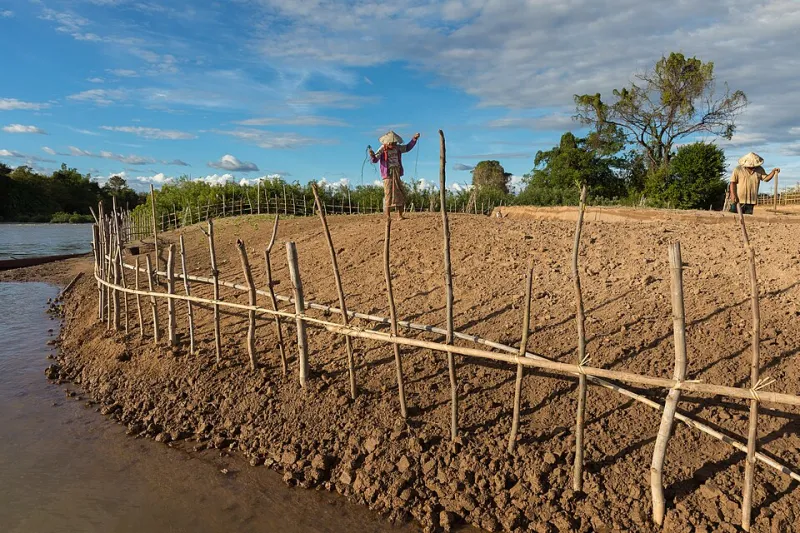
Photo by Photo by Reza Mills on Unsplash on Unsplash
There's a particular kind of optimism that comes with planting a seed near the shore. The air smells like possibility. The light is golden. And then the wind picks up, dumps a fine mist of salt spray all over your tomato seedlings, and reminds you that the coast plays by its own rules.
But here's the thing — people have been growing food near the ocean for centuries. From the barrier islands of the Carolinas to the rocky shores of Maine, coastal gardeners have figured out which plants actually want to be there and how to build growing setups that can shrug off the worst the ocean throws at them. Whether you own a beachfront home or you're renting a vacation cottage with a little outdoor space, getting some edibles in the ground (or in a pot) is more doable than you'd think.
Why Coastal Growing Is Its Own Beast
The challenges are real, and it helps to understand them before you start digging. Sandy soil drains fast — sometimes too fast — and doesn't hold nutrients well. Salt spray, especially within a few hundred feet of the waterline, can scorch leaves and disrupt how plants absorb water. Wind is relentless, and it accelerates drying. In low-lying coastal areas, the soil itself may have elevated salinity, which stresses root systems.
That said, coastal gardens also get a lot going for them: long growing seasons in southern states, mild winters in many regions, and strong sun. The goal is working with those advantages while solving for the drawbacks.
The Plants That Actually Belong by the Water
Not every vegetable is a good fit, but the ones that are tend to really thrive. Here's what consistently performs well in coastal kitchen gardens across the US:
Kale and Swiss chard are workhorses near the shore. Both tolerate salt spray better than most leafy greens and keep producing through cool coastal winters in places like coastal Virginia, the Florida Panhandle, and Southern California.
Asparagus is a natural coastal plant — it actually grows wild in sandy, saline soils in parts of Europe and adapts well to American beachfront conditions. It's a long-term investment (you'll wait a couple of years for your first real harvest), but once established, it comes back every spring with minimal fuss.
Beets and turnips handle salty soil better than almost any root vegetable. They're worth planting just for the greens if nothing else.
Herbs like rosemary, thyme, and sea purslane are practically made for coastal gardens. Rosemary in particular loves dry, sandy, well-drained conditions and can handle salt spray that would knock out more delicate herbs.
Nasturtiums aren't a vegetable exactly, but the flowers and leaves are both edible, they're nearly impossible to kill near the shore, and they attract pollinators. Worth including in any coastal plot.
Pole beans and snap peas do surprisingly well in raised beds near the coast, especially if given some wind protection. They climb, which helps keep them off the ground and away from soil splash.
What doesn't tend to work well? Tomatoes and peppers struggle with consistent salt spray and need real protection. Lettuces bolt fast in the heat and get fried by wind. Corn needs deep, rich soil and serious space.
Build Up, Not Down
Ask any experienced coastal grower and they'll tell you the same thing: get off the ground. Raised beds are almost essential near the shore. They let you control your soil mix, improve drainage without losing moisture too fast, and keep roots out of any native soil that may be too salty or too sandy to support edibles.
For coastal raised beds, the materials matter. Cedar and redwood resist moisture and salt air far better than standard lumber. Composite decking boards work well too. Avoid untreated pine — it'll rot fast in a salty, humid environment. Aim for beds at least 12 inches deep, 18 if you're growing root vegetables.
Fill them with a mix of quality compost, coconut coir (which holds moisture without compacting), and some perlite for drainage. Avoid soil mixes that are too heavy; you want water to move through but not so fast that the roots dry out between waterings.
For renters or people who don't want a permanent installation, large containers work beautifully. Half wine barrels, galvanized metal tubs, and deep fabric grow bags all give you the control of raised-bed growing with the flexibility to move things around or take them with you.
Windbreaks: The Underrated Game-Changer
A physical barrier between your garden and the prevailing wind makes an enormous difference. It doesn't have to be a fence — a row of ornamental grasses, a low hedge of salt-tolerant shrubs, or even a slatted wooden screen can cut wind speed significantly and reduce the amount of salt spray that reaches your plants.
In the Outer Banks region of North Carolina, where coastal gardening has been a necessity for generations, gardeners often plant sea oats or yaupon holly as natural windbreaks on the ocean-facing side of their plots. The combination of wind reduction and partial shade during the hottest part of the afternoon can extend the growing season and save plants that would otherwise struggle.
Watering Smarter in Sandy Soil
Sandy coastal soil drains so fast that surface watering often isn't enough — the water moves through before roots can absorb it. Drip irrigation or soaker hoses laid at root level are far more effective and also reduce the chance of spreading salt from the soil surface up onto leaves.
Mulching heavily (3 to 4 inches of straw or wood chips) helps retain moisture and moderates soil temperature. In southern coastal states where summer heat is intense, this can be the difference between a plant that survives and one that doesn't.
Starting Small, Growing Confident
If you're new to coastal gardening, start with one raised bed and a handful of the most resilient options — kale, beets, herbs. Get a feel for how your specific spot behaves. Is there a corner that gets more wind? A spot where water pools? A section that gets shade from a neighboring structure in the afternoon?
Coastal microclimates vary dramatically even within a single property. The garden on the leeward side of a beach house is a completely different environment from the one facing the dunes. Pay attention to what the site is telling you, adjust, and build from there.
Growing your own food near the ocean won't always be easy. But there's something deeply satisfying about sitting down to a meal seasoned with herbs you cut from a garden that's close enough to hear the surf. The coast has always fed people. Might as well let it feed yours.