Picking Up the Pace: How US Beach Towns Are Winning the War on Ocean Trash (And How You Can Help)
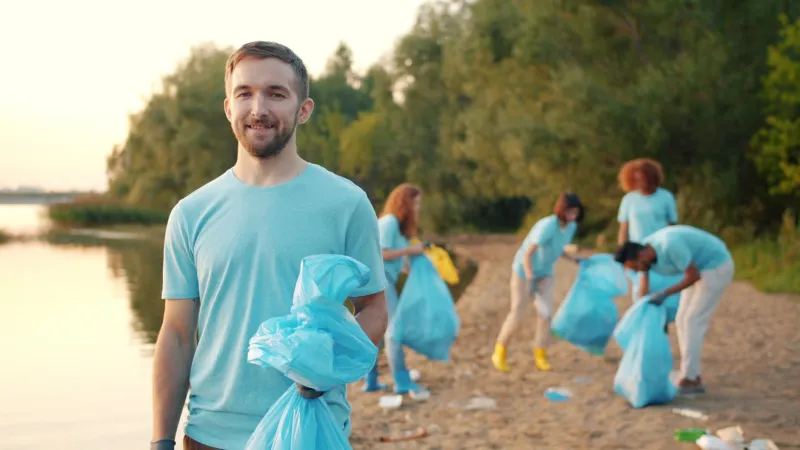
There's a ritual that plays out on beaches across the country every single morning. Before the sunscreen comes out and the umbrellas go up, a quiet group of volunteers is already moving along the waterline—heads down, bags in hand, pulling bottle caps, cigarette butts, and tangled fishing line from the sand. It's not glamorous. But it might be one of the most important things happening at the coast right now.
US beach towns are in the middle of a genuine reckoning with marine debris. And increasingly, they're not just cleaning it up—they're building entire community identities around the effort. For travelers, that shift is creating something unexpected: a new kind of coastal experience that's part vacation, part purpose.
The Scale of the Problem (And Why It's Not Going Away on Its Own)
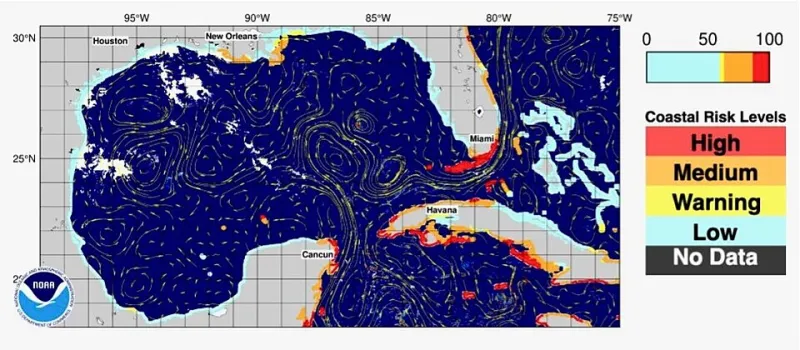
Ocean trash is a global crisis with deeply local consequences. An estimated 8 million metric tons of plastic enter the world's oceans every year, and a significant portion of it washes up on American shores. From the barrier islands of the Carolinas to the rocky coastlines of Maine, beach communities are dealing with everything from microplastics embedded in the sand to large debris—old nets, foam coolers, plastic bags—that rolls in with every tide cycle.
The sources are varied. Some trash drifts in from offshore shipping lanes. Some originates from river systems that feed into the ocean. And plenty of it, frankly, comes from beachgoers themselves—carelessly discarded, or simply caught by the wind before anyone noticed.
The result is a coastline that, in many places, needs constant attention. And a growing number of beach towns have stopped waiting for someone else to provide it.
The Communities Leading the Charge
Some of the most organized cleanup efforts in the country are happening in places you might already have on your travel radar.
Ocean City, Maryland runs one of the more ambitious municipal programs on the East Coast, with coordinated morning cleanups that run from late spring through fall. The town partners with local surf shops and hotels to recruit participants—meaning you can literally sign up for a cleanup through your accommodations.
Santa Cruz, California has been a hub for coastal environmental activism for decades, and its cleanup culture reflects that. The city hosts large-scale events through partnerships with Surfrider Foundation chapters, but the day-to-day ethic is baked into the local beach culture. Visitors who show up with a reusable bag and spend twenty minutes picking up debris before their morning surf session fit right in.
Tybee Island, Georgia has quietly built one of the Southeast's most visitor-friendly cleanup programs. The Tybee Island Marine Science Center organizes regular events and makes it genuinely easy for tourists to plug in—no prior registration required for most of their weekend efforts.
Out on the Gulf, South Padre Island, Texas has ramped up its debris response significantly, partly in reaction to recurring sargassum seaweed influxes that carry plastics along with them. Local nonprofits have partnered with the city to make cleanup events a fixture of the island's event calendar.
What "Volunteer Tourism" Actually Looks Like at the Beach
If you're picturing a grim, obligation-heavy experience, let that go. Beach cleanups are, almost universally, good times. They happen early in the morning when the light is soft and the crowds are thin—arguably the best time to be on the beach anyway. They're social, low-effort, and the sense of accomplishment afterward is real.
Most organized events run for one to three hours. You show up, grab a bag and a pair of gloves, and walk a stretch of shoreline. Organizers typically provide data sheets for logging what you find—that information feeds into national databases like the Ocean Conservancy's annual International Coastal Cleanup, which has been tracking debris trends since 1986 and remains the largest volunteer effort of its kind in the world.
The ICC's annual report is genuinely fascinating reading if you're curious about what's actually out there. Cigarette butts consistently top the list. Food wrappers, plastic bottles, and bottle caps follow close behind. The data shapes advocacy and policy—so your two hours of walking the beach contributes to something much larger than a cleaner shoreline.
How to Find an Event Before You Go
The easiest entry point is the Ocean Conservancy's cleanup event finder at oceanconservancy.org, which lets you search by location and date. Surfrider Foundation chapters (surfrider.org) run local events at dozens of coastal locations and are especially active in California, Florida, and the Pacific Northwest. Many chapters welcome drop-in volunteers.
For a more local feel, check the social media pages of surf shops, dive shops, and marine science centers in whatever beach town you're visiting. These businesses often organize or promote community cleanups that don't make it onto national databases but are well-attended and genuinely fun.
Some eco-conscious vacation rentals and boutique coastal hotels have started building cleanup participation into their guest experience—offering early checkout flexibility for guests who want to join morning events, or partnering directly with local organizations. It's worth asking when you book.
Beyond the Cleanup: How These Efforts Are Changing the Beach Experience
Here's what's interesting from a traveler's perspective: the beach towns that have invested most heavily in cleanup culture tend to be nicer places to visit overall. That's not a coincidence. A community that cares about its shoreline also tends to care about the quality of its restaurants, the character of its downtown, the accessibility of its public beach access points.
There's also a growing social dimension to it. Cleanup events draw a mix of locals, seasonal residents, and visitors—and they're one of the few contexts where those groups actually interact. If you've ever felt like a tourist in the transactional sense—welcomed for your dollars, but not really part of anything—a beach cleanup is a fast track to feeling like you actually belong somewhere for a morning.
Some travelers have started building their coastal trips around cleanup calendars, timing visits to coincide with larger events. It sounds niche, but the numbers suggest it's catching on. The Ocean Conservancy's 2023 International Coastal Cleanup drew more than 700,000 volunteers globally, with US participation continuing to grow year over year.
A Few Things to Know Before You Show Up
Most cleanup events are free and open to all ages—kids included, with supervision. Wear closed-toe shoes; beach debris can include broken glass and sharp metal. Sunscreen and a hat are non-negotiable for morning events that run past 8 a.m. in summer. Bring your own water bottle—many events have moved away from providing single-use plastic cups for obvious reasons.
If you can't make a formal event, the informal version works too. A reusable bag tucked into your beach bag means you can do your own low-key version any time. You don't need an organization behind you to pick up what you find. The sand doesn't care about your credentials.
The Bigger Picture
Beach cleanups won't solve the ocean plastic crisis on their own—anyone involved in this work will tell you that. Systemic change at the policy and production level is what ultimately moves the needle. But the cleanup movement does something that policy alone can't: it creates a direct, physical relationship between people and the coastline they love. That relationship is what drives the advocacy, the voting, the consumer choices that eventually add up to something.
For travelers, it's also just a genuinely good way to spend part of a beach morning. The coast gives a lot. Spending an hour giving something back doesn't feel like a sacrifice. It feels pretty right.