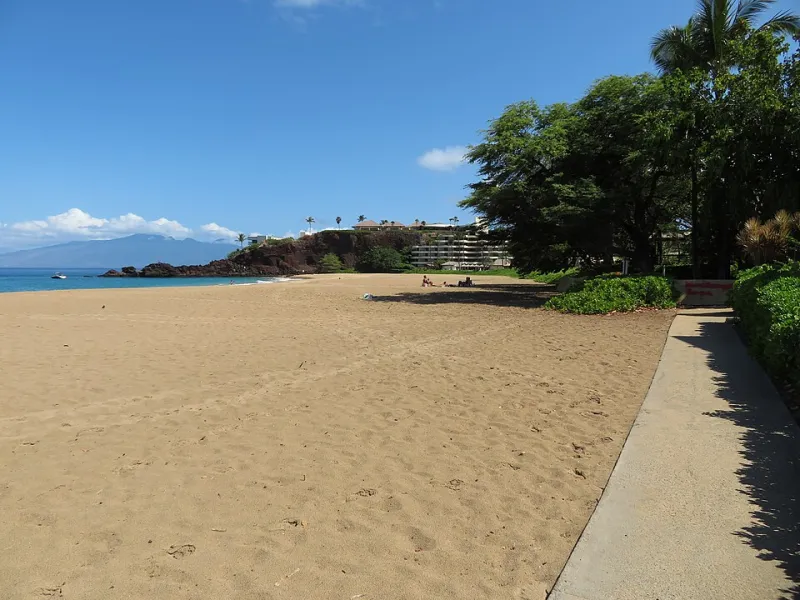
Cheap Rent, Real Sand: The Underrated Coastal Towns Worth Moving To
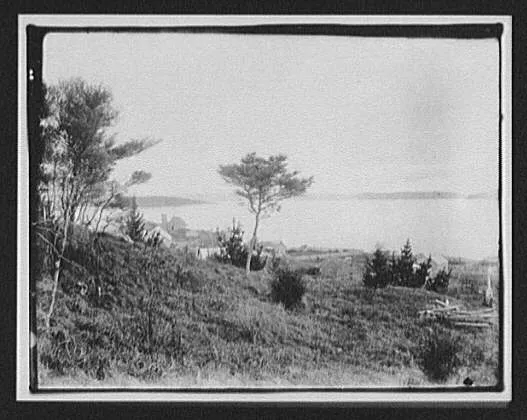
Photo: William Henry Jackson, Public domain, via Wikimedia Commons
There's a version of coastal living that gets sold to us constantly — the Instagram-perfect condo overlooking the Pacific, the breezy Florida bungalow with the infinity pool, the Cape Cod cottage with the white picket fence. It's beautiful. It's also, for most people, completely out of reach.
But here's the thing: the coast is long. Really long. And tucked between the famous names and the overpriced zip codes are towns where the salt air is just as good, the sunsets are just as stunning, and the rent won't make you cry into your morning coffee. We went looking for them.
Why People Are Rethinking Where They Plant Their Beach Chairs
The pandemic reshuffled a lot of priorities. Remote work gave people geographic freedom they'd never had before. Retirees started asking harder questions about whether the communities they'd always dreamed of were actually livable anymore. The result? A quiet migration toward coastal towns that most travel guides barely mention.
Saturated markets like Santa Barbara, Sarasota, and the Hamptons have seen home prices balloon to the point where even locals can't afford to stay. Meanwhile, a handful of smaller communities — places with working waterfronts, strong regional identities, and genuine beach access — are quietly becoming some of the most interesting places to live on the American coast.
Bay St. Louis, Mississippi
Most people couldn't find Bay St. Louis on a map, and that's exactly why it's worth knowing about. Sitting on the Mississippi Gulf Coast about an hour east of New Orleans, this small city has a creative, arts-forward energy that feels more like a bohemian enclave than a Gulf Coast backwater. The historic downtown is walkable, the restaurants punch well above their weight class, and the beach — while not the powdery white sand of the Florida Panhandle — is genuinely lovely for kayaking, paddleboarding, and watching pelicans do their thing.
Median home prices hover well below the national average, and the cost of living is among the lowest of any coastal community in the country. The trade-off? Summers are hot and humid, and hurricane preparedness is a real part of life here. But for remote workers and retirees who want authentic Gulf Coast living without the crowds, Bay St. Louis is hard to beat.
Astoria, Oregon
At the northern tip of the Oregon Coast where the Columbia River meets the Pacific, Astoria is the kind of town that rewards people who actually show up. It's moody, historic, and genuinely weird in the best way — think Victorian houses stacked on fog-covered hills, a thriving craft beer scene, and a local culture that has nothing to prove to anyone.
It's not a beach town in the traditional sense. You're not going to be working on your tan here in February. But for people who love dramatic coastal scenery, independent bookstores, and a community that still feels like itself, Astoria offers something increasingly rare: authenticity at an accessible price point. Housing costs are a fraction of what you'd pay in Portland, let alone the California coast.
Swansboro, North Carolina
Crystal Coast communities like Emerald Isle get most of the attention in North Carolina, but Swansboro — a small waterfront town just across the White Oak River — is where a lot of savvy buyers are quietly landing. The historic downtown sits right on the water, the seafood is exceptional, and the town has a genuine small-community feel that the more tourist-heavy spots have long since lost.
Access to the barrier island beaches is easy, boat culture is deeply embedded in local life, and the cost of living is well below the national average. It's the kind of place where you can actually get to know your neighbors — and where the pace of life slows down in a way that feels intentional rather than just sleepy.
Port Aransas, Texas
Texas doesn't always come to mind when people think about coastal living, but Port Aransas — on Mustang Island along the Gulf Coast — deserves a serious look. It's a working beach town with a laid-back personality, strong fishing culture, and a surprisingly vibrant arts scene. The beaches are wide and accessible, the seafood shacks are the real deal, and the cost of living compares favorably to just about anywhere else on the American coast.
Winters are mild, the pace is relaxed, and the town has managed to hold onto a character that feels genuinely local despite growing interest from outsiders. For retirees especially, the combination of affordable housing, warm weather, and easy beach access makes Port Aransas a compelling option.
Eastport, Maine
If you're willing to go full remote and embrace the dramatic end of coastal living, Eastport might be the most interesting underrated town on this entire list. Perched on a small island at the far northeastern tip of Maine, it's the easternmost city in the United States — and one of the most affordable coastal communities anywhere in the country.
The scenery is genuinely breathtaking: massive tides, wild coastline, historic architecture, and the kind of quiet that people pay a lot of money to find elsewhere. The trade-off is real — winters are long, services are limited, and you need to genuinely want the lifestyle. But for the right person, Eastport offers something extraordinary: a coastal life that feels completely untouched by the forces that have homogenized so many beach towns.
Fernandina Beach, Florida
Florida's Amelia Island gets occasional press, but Fernandina Beach — the main town on the island — still flies under the radar compared to the state's bigger coastal names. The historic downtown is one of the best-preserved Victorian streetscapes in the South, the beaches are uncrowded and beautiful, and the shrimping culture gives the place an identity that goes well beyond tourism.
Home prices are rising, so this one is more of a "get there while you can" situation, but it still represents strong value compared to the Miami-to-Tampa corridor that dominates most conversations about Florida coastal living.
What to Know Before You Go (or Stay)
Finding an affordable coastal town is only half the equation. Before making any kind of move, it's worth spending real time in a place — not a long weekend, but ideally a few weeks across different seasons. The Gulf Coast community that feels magical in March can feel punishing in August. The New England fishing village that's charming in September looks different after three weeks of January fog.
Talk to locals, not just expats. Understand what the local economy actually looks like and whether it's evolving in a direction you're comfortable with. And pay attention to the things that don't show up in the listing photos: flood zones, seasonal traffic patterns, healthcare access, and what the community does (and doesn't) offer year-round.
The shell-strewn shores of these quieter towns are waiting. You just have to be willing to look past the postcard.